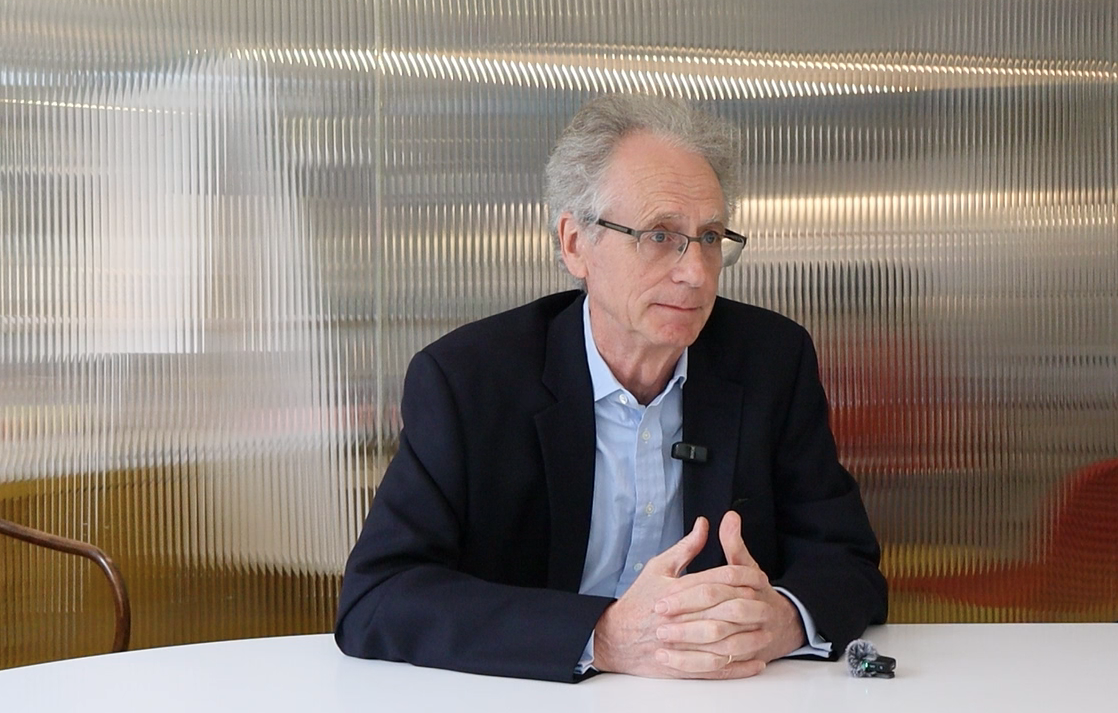
BACKGROUND: New scientific analysis identifies a ‘brain energy bottleneck’ as a key mechanism behind Klario. We sat down with Professor Mike Laffan, Specialist in Translational Medicine at Imperial College London, to talk about a new way of looking at hypoglycemia recovery.
We discussed his new research that proposes a ‘Brain Energy Bottleneck’ to explain the recovery gap and how alternative ‘adaptive energy’ sources, like BHB and lactate, might change how we treat low blood sugar.
Q1: Why doesn’t brain function return to normal when blood sugar levels are corrected in hypos?
So a hypoglycaemic event is quite stressful for our brain cells (neurons). In response to that stress, the cell produces an enzyme called PARP.
The problem is that to turn glucose into energy (glucose metabolism), the cell needs a molecule called NAD. But when PARP is activated by the stress of the hypo, it “uses up” the NAD.
Because the NAD is being consumed elsewhere, the initial part of the glucose metabolism pathway — what we call the glycolytic pathway — is effectively blocked. It’s a bit of a paradox: the effects of hypoglycaemia actually block the brain’s ability to use the glucose you’re giving it to try to recover.
This explains the common “hypo hangover” — the feeling of being mentally drained or foggy, even when your glucose numbers are back to normal.
Q2: So there is a “block” in the system… How do alternative fuels like BHB and lactate bypass that?
Think of glucose metabolism in two phases. The first phase (glycolysis) happens in the main part of the cell, and that is where the “block” occurs.
The second phase occurs in a separate compartment called the mitochondria. The advantage of molecules like BHB is that they can go directly into that second compartment. They skip the first blocked phase entirely and go straight into the energy-generation phase. That is how they bypass the bottleneck.
Q3: Beyond just energy, are there other benefits to using something like BHB?
Yes. In extreme cases, BHB can help prevent neuron death, but it also handles oxidative stress. The stress of a hypo creates “Reactive Oxygen Species” (ROS) — molecules that cause oxidative damage to cells. BHB has the ability to “scavenge” these ROS molecules, helping to protect the brain cells from damage while at the same time restoring the energy function needed for clear thinking.
Q4: In five years, do you think treating hypos with ‘glucose alone’ will be a thing of the past?
At the end of the day, hypoglycaemia is a lack of glucose, and in normal day-to-day physiology, glucose is what the body uses.
However, I think we will move toward a combination approach. We will use glucose to restore blood levels, but we will use BHB to “bridge the gap” during those periods when the brain cells can’t utilise that glucose efficiently. It can help support a much smoother recovery.
Q5: Could this bottleneck research help us understand other clinical situations beyond just diabetes-related hypoglycaemia?
Interestingly, yes. While diabetes is an extreme example, there are many clinical situations where the body’s cells become inefficient at using glucose. We see impaired glucose metabolism in certain cancers, neurodegenerative disorders, and even in cases of extreme fatigue or exercise. Using this “bypassing mechanism” to get energy directly into the mitochondria could have applications far beyond hypoglycaemia.
This important research provides a biological framework for the recovery gap many people experience after treating a low. Understanding that the brain is dealing with a temporary metabolic bottleneck explains why raising blood sugar is often only the first step in recovery. The future of hypo care is looking to move beyond “just glucose” to a “glucose-plus” model that clears the brain fog and protects the brain. A big thank you to Professor Mike Laffan for sharing his expertise.
Disclosure: This article is an educational summary intended for registered UK healthcare professionals. It is not intended to replace clinical judgment or individual patient assessment.
References
- D. Russell-Jones, M. Laffan, and J. Mader, “Beyond Glucose: A Brain Energy Bottleneck Hypothesis for Multi-Energy Substrates in Hypoglycaemia Rescue,” Diabetes, Obesity and Metabolism 28, no. 5 (2026): 3474–3479, https://doi.org/10.1111/dom.70632.
- De Angelis, L.C. et al. (2021) “Neonatal Hypoglycemia and Brain Vulnerability,” Frontiers in Endocrinology, 12. https://doi.org/10.3389/fendo.2021.634305.
- Suh, S. et al. (2004) “Zinc release contributes to hypoglycemia-induced neuronal death,” Neurobiology of Disease, 16(3), pp. 538–545. https://doi.org/10.1016/j.nbd.2004.04.017.
- Suh, S. et al. (2005) “Pyruvate Administered After Severe Hypoglycemia Reduces Neuronal Death and Cognitive Impairment,” Diabetes, 54(5), pp. 1452–1458. https://doi.org/10.2337/diabetes.54.5.1452.
- Won, S.J. et al. (2012) “Prevention of Acute/Severe Hypoglycemia-Induced Neuron Death by Lactate Administration,” Journal of Cerebral Blood Flow & Metabolism, 32(6), pp. 1086–1096. https://doi.org/10.1038/jcbfm.2012.30.